Why Japanese karate is the best martial art for everyone in Qatar
Comparing martial arts for your child, yourself or your family? Traditional Japanese karate gives children, mothers and adults confidence, fitness and real self-defence, and adds value to every other sport, to school results and to academic life.
One art, every benefit
Many martial arts focus on one thing: striking, throwing, ground fighting or points. Traditional Japanese karate trains the whole person. Students learn kihon (basics), kata (forms) and kumite (sparring), with both hands and legs, standing self-defence and the Japanese values of respect, self-control and perseverance.
That balance is why karate suits a four-year-old, a teenager preparing for exams, a busy mother and an adult over forty equally well, and why it is a sport you can practise for life.
At Chi Club we teach the Japanese syllabus of JKS (Japan Karate Shoto Federation), designed by senior Japanese masters, with Sensei Najmal Ibrahim, 6th Dan.
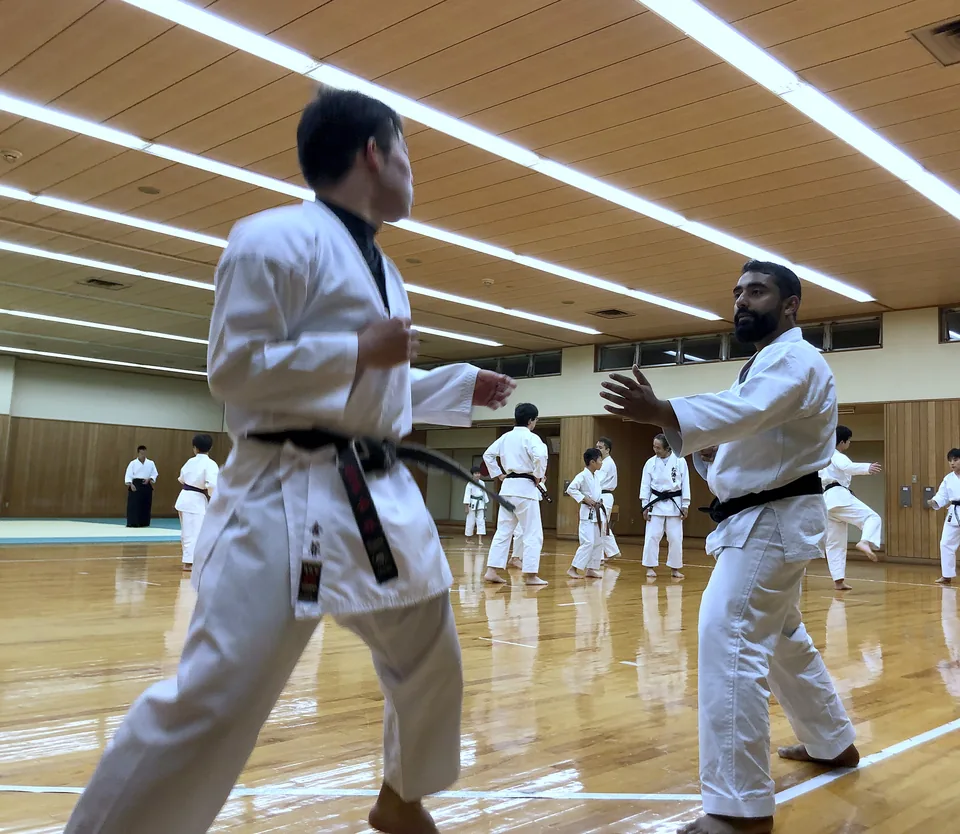
Sensei Najmal’s integrated karate system
Why training at Chi Club goes further than a points-only sport club.
Direct Japanese lineage
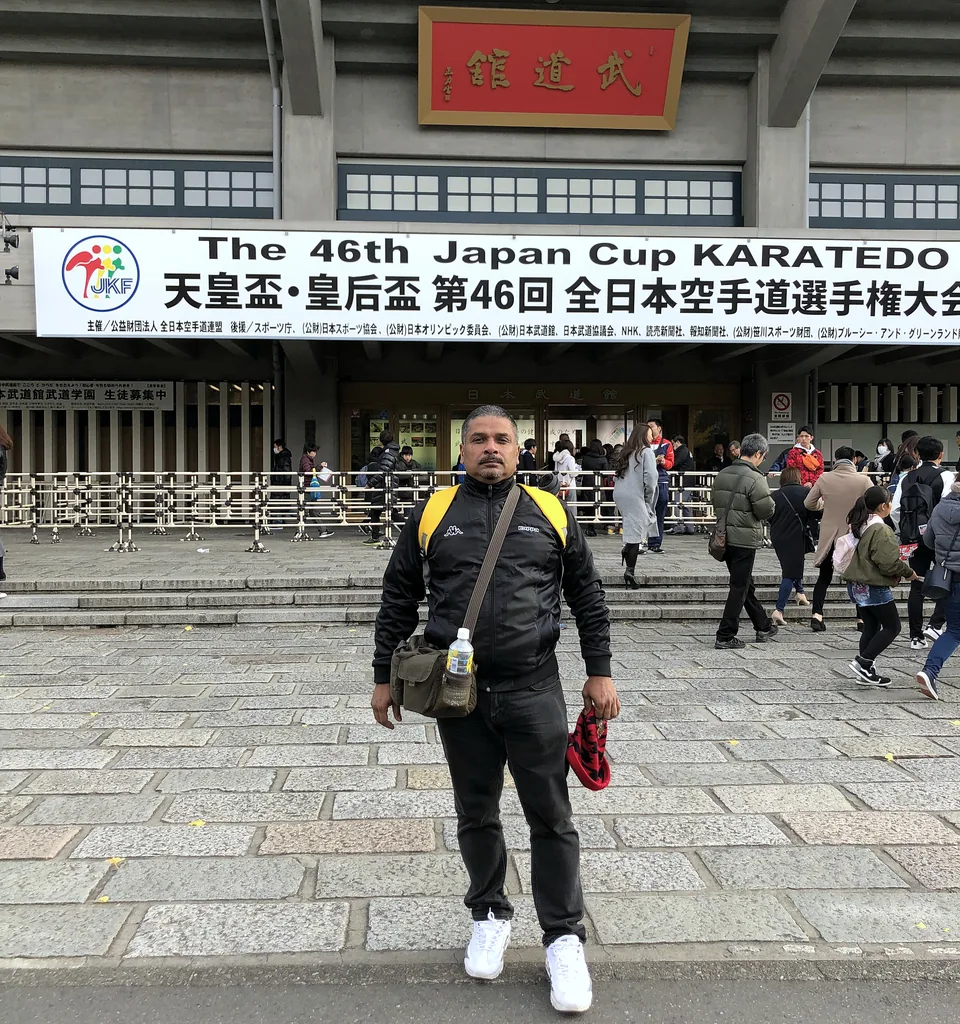
The JKS Shotojuku syllabus, taught by a 6th Dan who is a direct JKS member, an accredited Qatar federation coach and a certified kata and kumite referee.
Body, breath and mind
Shotokan and Shito-ryu technique, with breathing and relaxed power drawn from Sensei Najmal’s tai chi and qigong practice, so students generate power without wearing out their joints.
Every range of self-defence
Kicks at long range, hand strikes at middle range, escapes and locks up close, and the etiquette to de-escalate, all standing and with controlled contact.
Tradition and competition
Students learn the complete art first; those who want medals add WKF competition training on top, plus Okinawan kobudo for experienced students.
Strong, not aggressive: the mental benefits of karate
Karate is a peaceful martial art. Its first rule is 空手に先手なし: there is no first attack in karate.
Some combat sports focus mainly on hitting and winning fights. Traditional Japanese karate builds power and the self-control to keep it in check. Children and adults become physically strong and mentally calm: confident enough to walk away, and capable enough to protect themselves if they ever must.
Self-control
Every technique stops exactly on target. Students learn to control their body, their temper and their reactions.
Calm under pressure
Breathing, kata and kumite teach the mind to stay steady when things get difficult, in exams, sport and daily life.
Confidence without arrogance
Real confidence is quiet. Karateka stand tall and speak up, without needing to prove themselves.
Respect and humility
Bowing to teachers, partners and the dojo teaches children to respect others, and to accept correction gracefully.
Focus and mindfulness
Every class opens and closes with mokuso, a moment of silent meditation that trains attention and a clear mind.
Resilience
Failing a technique, trying again and finally earning a belt teaches patience, perseverance and a growth mindset.
Our dojo kun, recited by every student, ends with “Refrain from violent behaviour.” Parents often tell us their child became calmer, more patient and kinder at home and at school after starting karate.
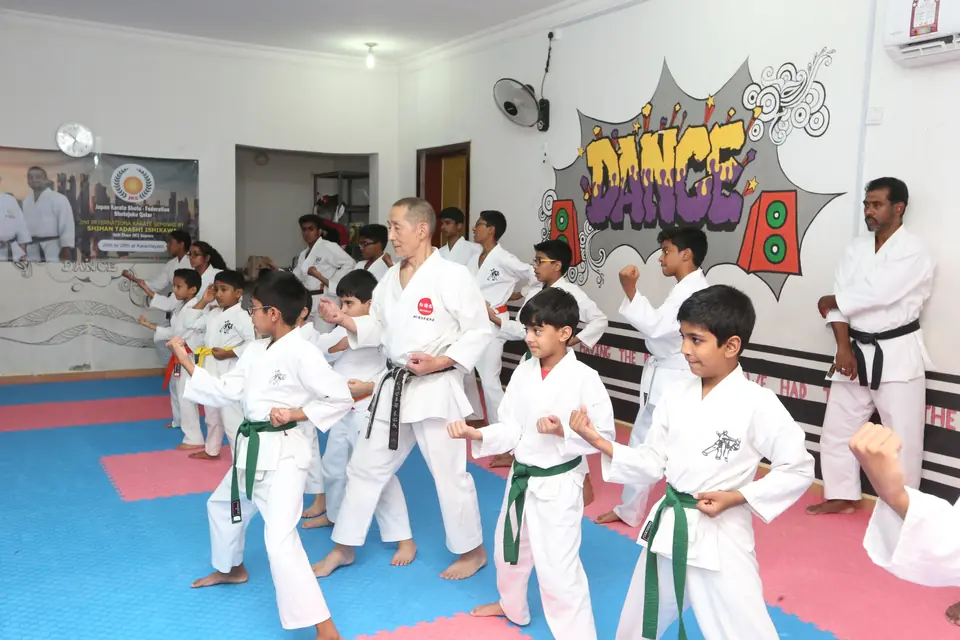
The best martial art for kids
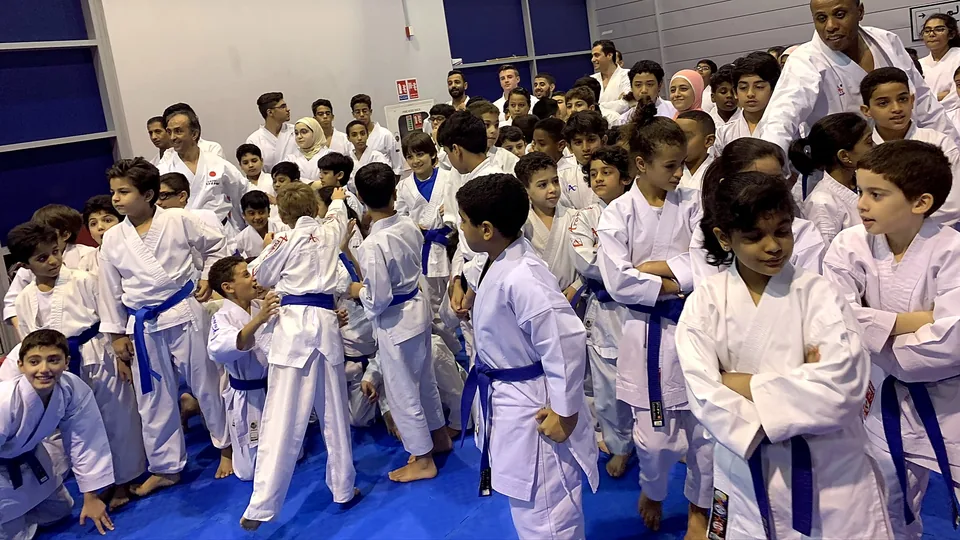
- Confidence. Every belt is a goal they reach themselves.
- Focus and discipline. Bowing in, listening and repeating build concentration.
- Strong but peaceful. Karate channels energy into self-control, so children become confident, not aggressive.
- Safe self-defence. Awareness, distance and escapes, with controlled contact and no ground wrestling.
- Respect and friendship. Children from many schools and nationalities train together.
- Healthy habits. Active, screen-free fun that builds strength and flexibility.
Karate for mothers and women
Mothers often bring their children to karate and then discover it for themselves. Karate gives you a full-body workout, flexibility and stress relief, practical self-defence for real situations, and the quiet confidence of mastering something difficult.
Our ladies-only classes offer a private, respectful setting with modest dress and hijab welcome, and many mothers train while their children are in class at the same branch. Complete beginners of any age are welcome.
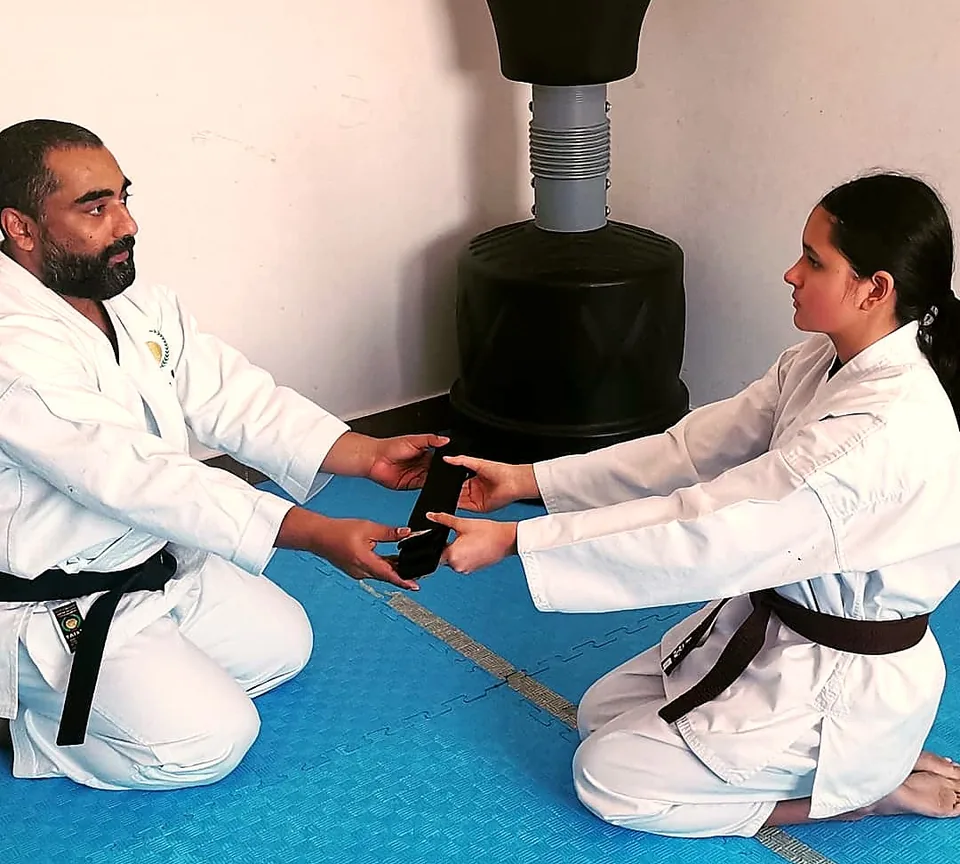
Added value for school, sport and academics
Karate is not only a sport. It strengthens everything else your child does.
Better at school
Kata train memory and sequencing; class etiquette trains listening and self-control. Research on martial arts in children has linked regular practice with better attention and self-regulation.
School Olympic Program (SOP)
Our students represent their schools in karate in Qatar’s School Olympic Program, organised with the Qatar Olympic Committee: real competition, school pride and medals.
Federation pathway
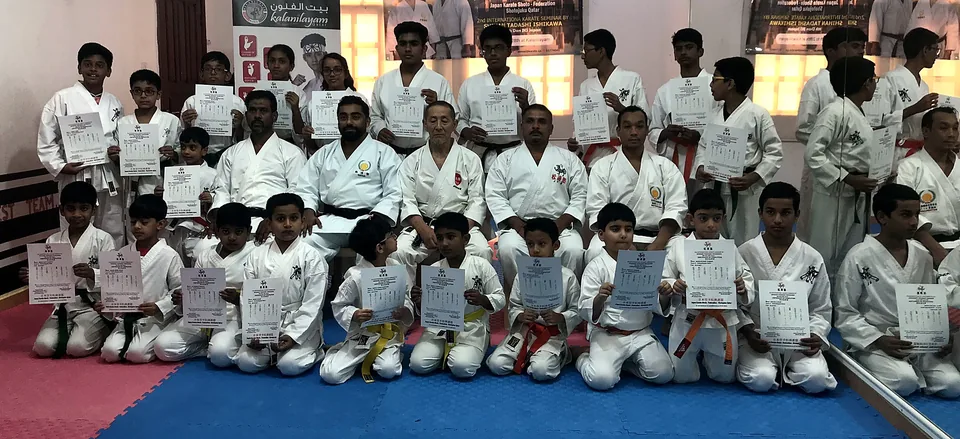
Students take part in gradings, seminars and championships of the Qatar Taekwondo, Judo and Karate Federation, and in international events.
Better at every sport
Balance, reaction speed, footwork, core strength and flexibility carry over to football, swimming, athletics and more. Karate for athletes.
A black belt for life
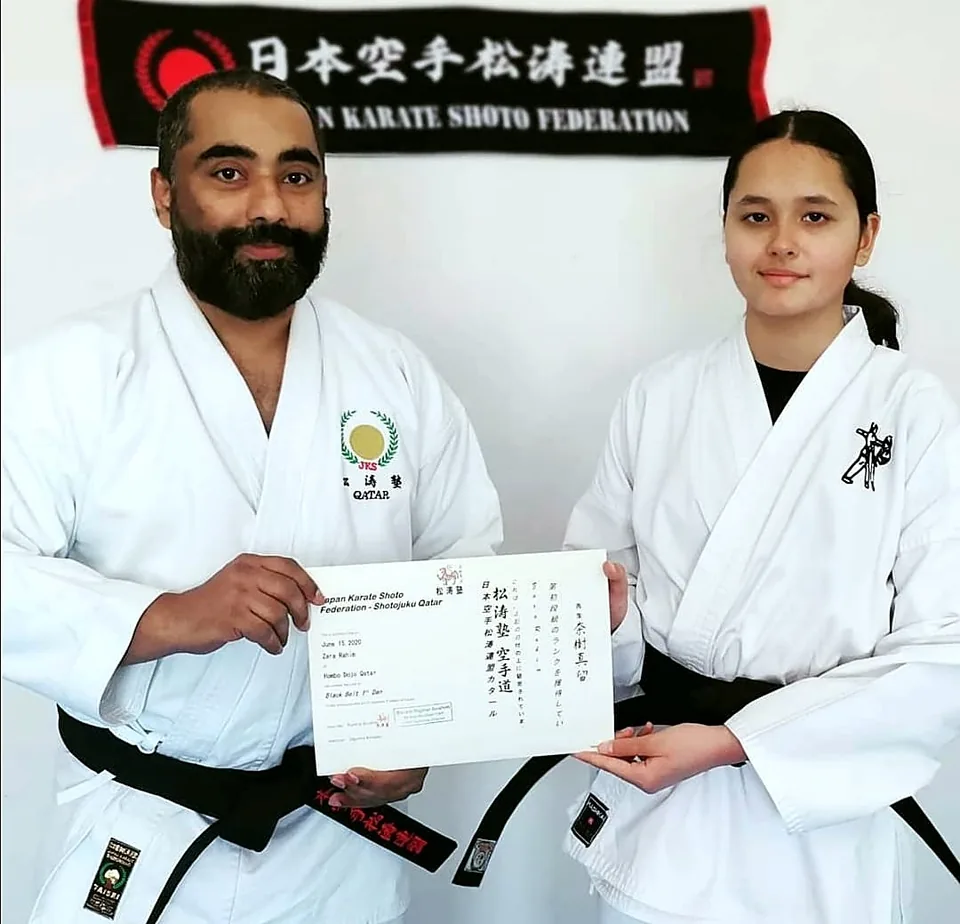
Recognised worldwide, a black belt shows years of commitment and resilience, and strengthens school, university and scholarship applications.
Leadership
Senior students help teach younger ones, building responsibility, communication and leadership skills.
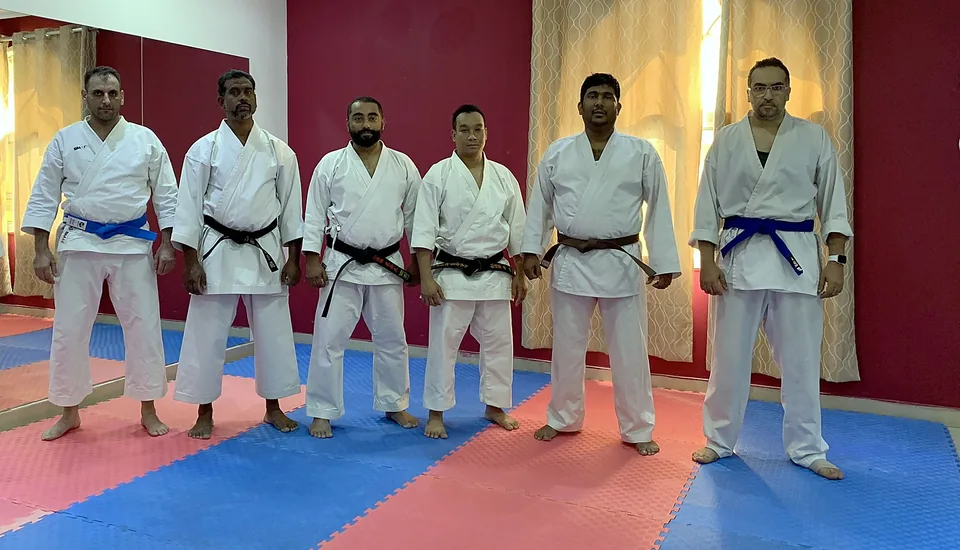
For adults and over-40s
Karate is a martial art you can start at any age. Adults train for fitness, stress relief and self-defence; our adult and 40+ classes work at your own pace, with no pressure to spar. Many parents train alongside their children, and some earn their black belt together.
Questions people ask when choosing a martial art
Still deciding? Try a free class and see for yourself.
Will karate make my child aggressive?
No. Traditional Japanese karate is a peaceful martial art. Its first rule is “there is no first attack in karate”, and every student recites the dojo kun, which ends “refrain from violent behaviour”. Students become physically strong and mentally calm: they learn self-control, respect and how to walk away from trouble, and use their skills only to protect themselves.
What are the mental benefits of karate?
Self-control, calm under pressure, focus, confidence without arrogance, respect, patience and resilience. Classes open and close with mokuso (silent meditation), and kata train concentration and memory. Children and adults often report less stress, better mood and better focus at school and work.
What is the best martial art for kids in Qatar?
For most children, traditional Japanese karate is the best first martial art. It builds confidence, focus, discipline, fitness and self-defence in one class, it is safe (no ground wrestling, controlled contact), it has a clear belt system children love, and it connects them to official sport in Qatar: federation gradings, championships and the School Olympic Program.
Is karate better than taekwondo, judo, jiu-jitsu or kickboxing?
Every martial art has value. Karate stands out as an all-rounder: it trains both hands and legs, standing self-defence, kata (forms) for focus and memory, and controlled sparring, together with Japanese etiquette and respect. That balance suits children, women, adults and over-40s equally, which is why it works as a lifelong art rather than a short-term sport.
Is karate suitable for mothers and women?
Yes. Karate is one of the best activities for mothers: fitness, flexibility and stress relief, practical self-defence, and the confidence of earning belts. We offer ladies-only classes, modest dress is welcome, and many mothers train while their children are in class at the same branch.
How does karate help children at school?
Karate trains the skills teachers value: concentration, listening, self-control, memory (through kata) and goal-setting (through belts). Research on martial arts in children has linked regular practice with better attention and self-regulation, and parents often tell us their child is calmer and more focused at school.
What is the School Olympic Program (SOP)?
Qatar’s School Olympic Program is the national school sports competition organised with the Qatar Olympic Committee. Karate is one of its sports, and our students represent their schools in it. It gives children a real goal, school pride and official competition experience.
Does a karate black belt help with university or academics?
Yes. A black belt is a lifetime achievement recognised worldwide. It shows years of commitment, discipline and resilience, which strengthens school, university and scholarship applications and CVs, alongside any federation or championship results.
Does karate help with other sports?
Yes. Karate develops balance, coordination, reaction speed, flexibility, core strength and footwork, which carry over to football, basketball, swimming, athletics and almost any sport. Many athletes use martial arts training to prevent injury and improve agility.
Is karate an Olympic sport?
Karate made its Olympic debut at the Tokyo 2020 Games, and it is a major sport at the Asian Games, the World Games and in Qatar’s federation and School Olympic Program competitions.
Interested in tai chi, Systema or aikido as well? See thechiclub.org.
Your first class is free
Message us on WhatsApp and try a class this week. No experience, no uniform and no commitment needed.